
What Digital Marketing is All About?
Introduction: What Digital Marketing is All About?
Digital marketing is the strategic use of online platforms, technologies, and data-driven methods to promote products, services, or ideas to a targeted audience. Unlike traditional marketing, it leverages the internet’s reach and real-time feedback mechanisms to offer a more interactive and effective promotional experience.
In today’s blog, we’ll answer the central question—What is digital marketing all about?—and take a deep dive into its key components, emerging trends, critical differences from traditional marketing, real-life success stories, and actionable steps to build your strategy. Whether you’re an aspiring digital marketer, a business owner, or simply curious about this ever-growing field, you’ll find insights tailored to your needs.
Table of Contents
- Understanding Digital Marketing: A Complete Overview
- Importance of Digital Marketing in 2025
- Core Components of Digital Marketing
- Digital Marketing vs. Traditional Marketing: Key Differences
- Emerging Trends in Digital Marketing
- Real-Life Case Studies in Digital Marketing
- Benefits of Digital Marketing for Businesses
- Step-by-Step Guide to Creating a Digital Marketing Strategy
- Top Tools and Resources for Digital Marketers
- FAQs About Digital Marketing
- Conclusion: The Future of Digital Marketing
Understanding Digital Marketing: A Complete Overview
Digital marketing integrates technology, creative strategies, and customer-centric communication to create highly engaging campaigns. It can include blogs, emails, social media updates, and digital advertisements. The goal is to enhance customer interaction, trust, and loyalty through easily accessible online platforms.
The core objectives of digital marketing include:
- Audience Engagement: Reaching customers where they spend time online.
- Lead Generation: Converting site visitors into paying customers.
- Data Utilization: Using insights to refine and optimize campaigns.
Common types of digital marketing include:
- SEO (Search Engine Optimization): Boosting a website’s visibility in search engines.
- Content Marketing: Providing valuable content to educate and attract.
- Social Media Marketing: Leveraging platforms like Facebook, LinkedIn, and TikTok to reach specific audiences.
- Pay-Per-Click (PPC): Running paid ad campaigns on Google or Bing for quicker results.
- Email Marketing: Sending personalized messages directly to customers’ inboxes.
Importance of Digital Marketing in 2025
Digital marketing is no longer optional; it’s essential for businesses wanting to thrive in today’s marketplace. Key statistics highlight why:
- Global Internet Use: Over 4.9 billion people actively use the internet.
- E-commerce Growth: Online sales are projected to exceed $7.5 trillion by 2025.
- Cost Efficiency: Businesses save significantly by using digital strategies over traditional methods.
Whether it’s the personalization offered by AI-driven tools or the interactive capabilities of social media, digital marketing provides endless possibilities.
Advantages of Digital Marketing Over Traditional Marketing
- Real-Time Interaction: Engage with audiences instantly through live chats, surveys, and comments.
- Precision Targeting: Platforms like Google Ads allow businesses to market based on age, location, preferences, and more.
- Higher ROI: Effective digital campaigns deliver measurable ROI with tools like Google Analytics or HubSpot.
Core Components of Digital Marketing
Search Engine Optimization (SEO)
SEO is foundational to any digital marketing campaign. It’s how you ensure your content or website appears at the top of search results when potential customers search for related terms.
SEO Components:
- Keyword Optimization: Understanding search intent and using relevant keywords.
- Content Quality: Creating long-form, value-driven content to answer customer queries.
- Technical Optimization: Fast-loading, mobile-friendly websites rank better.
Example: A small business optimized its SEO with blog content targeting keywords like best organic skincare products. As a result, web traffic increased by 75% within 6 months.
Content Marketing
Content is at the heart of digital marketing. Blogs, whitepapers, videos, and webinars drive traffic, create trust, and position brands as thought leaders.
Content Formats That Work in 2025:
- Video Content: Tutorial videos, short reels, and explainer animations.
- User-Generated Content: Testimonials and reviews are trusted more by users.
Social Media Marketing (SMM)
Social platforms like Instagram and Twitter enable direct communication between brands and consumers.
Brands that humanize their interactions—whether through memes or direct replies—create stronger customer relationships.
Paid Advertising (PPC)
Using platforms like Google Ads, brands can run paid campaigns targeting high-converting customers. PPC campaigns generate immediate traffic, making them ideal for product launches.
Digital Marketing vs. Traditional Marketing: Key Differences
| Feature | Digital Marketing | Traditional Marketing |
|---|---|---|
| Platform | Online (Google, social media, websites) | Offline (TV, radio, billboards) |
| Cost | Low (pay per click/engagement) | High (printing, air time) |
| Targeting | Precise (based on data analysis) | General (broadcast to masses) |
| Tracking ROI | Real-time with analytics | Difficult to track |
| Interactivity | Two-way (comments, replies) | One-way (audience as passive viewers) |
While traditional marketing is great for building brand awareness, digital marketing’s data-centric approach ensures better targeting, engagement, and ROI.
Emerging Trends in Digital Marketing
- Voice Search Optimization: AI-powered assistants like Alexa are influencing shopping behavior, making SEO for voice essential.
- Artificial Intelligence: AI simplifies campaign customization, predicting audience behavior with precision.
- Influencer Marketing Evolution: Micro-influencers connect brands authentically with niche markets.
Real-Life Case Studies in Digital Marketing
Zomato’s Social Media Campaigns
Using relatable memes and customer-centric humor, Zomato became one of the most engaging brands online, resulting in increased app downloads and traffic.
Nike’s Storytelling Ads
Through campaigns like Just Do It, Nike connected emotionally with athletes worldwide, proving the power of creative content marketing.
Benefits of Digital Marketing for Businesses
- Global Reach: Access a worldwide audience with minimal investment.
- Measurable Results: Real-time analytics ensures campaigns are always optimized.
- Improved Engagement: Digital platforms allow direct communication, increasing customer loyalty.
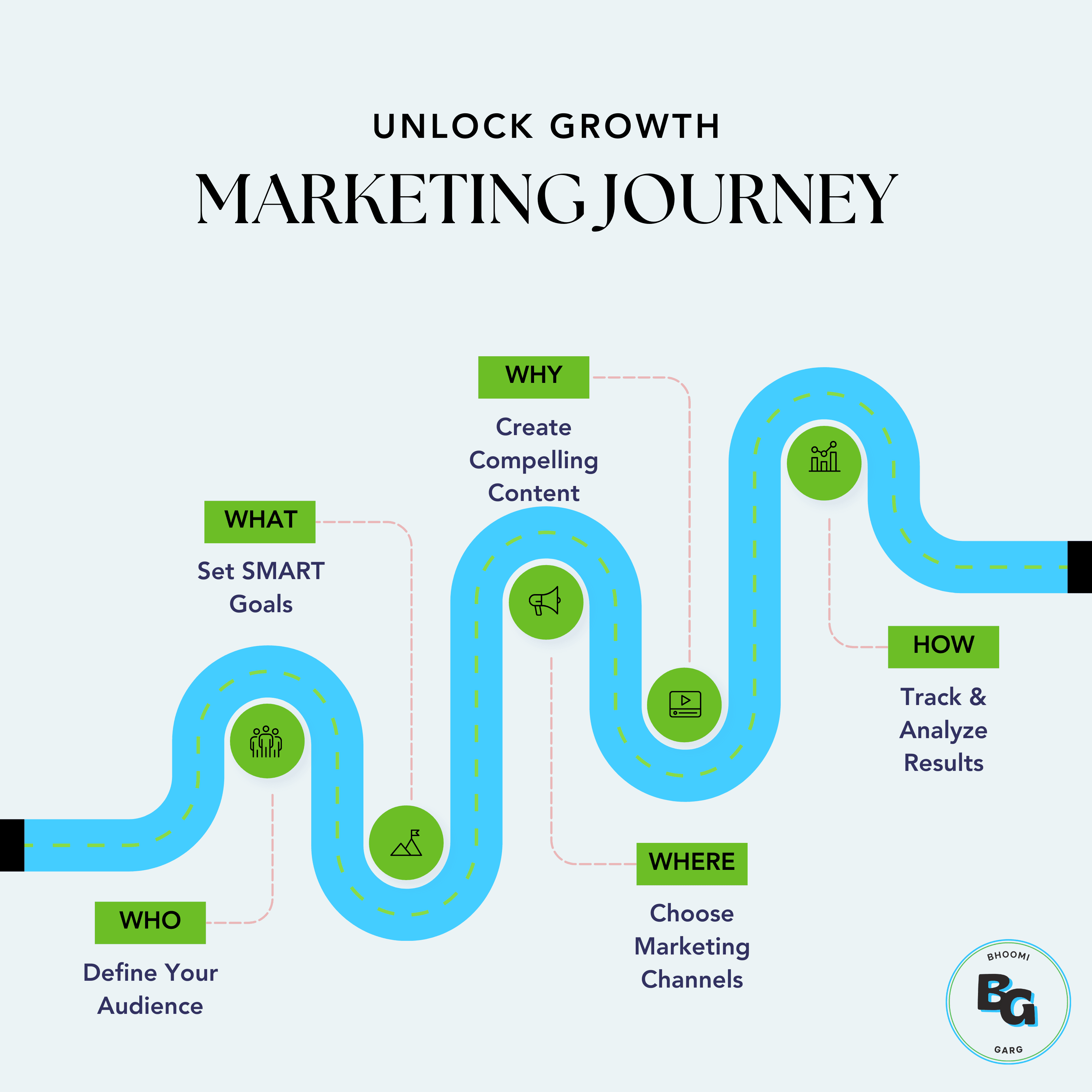
Step-by-Step Guide to Creating a Digital Marketing Strategy
- Set Clear Goals: Define whether you’re looking to generate leads, drive traffic, or build brand awareness.
- Understand Your Audience: Create customer personas for targeted campaigns.
- Optimize Content: Ensure all content aligns with search queries and audience preferences.
- Track Metrics: Use analytics tools to measure engagement, clicks, and conversion rates.
Top Tools and Resources for Digital Marketers
- Google Analytics: For measuring website traffic and conversions.
- Canva: Simplifies graphic design.
- HubSpot: Excellent for managing customer relationships and inbound marketing.
FAQs About Digital Marketing
What is digital marketing, and why is it important?
Digital marketing refers to promoting services or brands through online platforms. It’s essential because it helps businesses reach global audiences cost-effectively.Can small businesses benefit from digital marketing?
Yes. Digital marketing levels the playing field for small businesses by offering scalable strategies.
Conclusion: The Future of Digital Marketing
Digital marketing is transforming industries by focusing on customer engagement, personalization, and data-driven campaigns. With advancements in technology and an ever-connected world, the possibilities for innovation and growth in this field are limitless.